The Paradox of Patent No. 6630507
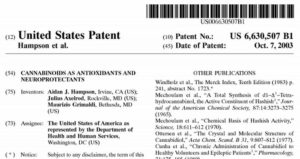
In 2003, the U.S. Department of Health and Human Services was granted U.S. Patent No. 6630507, titled “Cannabinoids as Antioxidants and Neuroprotectants.” The patent outlines the therapeutic potential of cannabinoids, particularly non-psychoactive compounds like CBD, in reducing oxidative stress and protecting the brain from conditions such as Alzheimer’s, Parkinson’s, and autoimmune diseases as well as various inflammatory conditions.
This patent has fueled widespread debate: Why would the U.S. government hold a patent on cannabinoids while continuing to classify cannabis as a Schedule I drug? The answer lies in a tangled web of drug policy, regulatory lag, and vested interests.
What Does the Patent Actually Cover?
The patent does not cover marijuana itself or THC; rather, it details how specific cannabinoids, both natural and synthetic, can act as antioxidants and neuroprotectants independent of their interaction with cannabinoid receptors. It explicitly describes their potential for treating neurological diseases and damage caused by oxidative stress (read the full patent here).
Why Is Cannabis Still Restricted Globally?
1. Policy Lag and Scheduling Conflicts
South Africa has delayed the reformation process of Cannabis too. New laws for cannabis in South Africa are coming. It has been over two years since the Phakisa Action Lab and more than 12 months since the Cannabis Act was signed into law, and the country is still waiting for a finalised regulatory framework. This has left the medical cannabis and industrial hemp sectors highly restrictive and bureaucratic, while the responsible adult-use market is largely undefined.
Even though the NIH holds the patent, cannabis remains Schedule I under the DEA’s Controlled Substances Act. Patents recognize potential use, but scheduling and FDA approval involve separate, lengthy processes.
2. Historical Drug Stigma
Decades of anti-cannabis campaigns (e.g., “Reefer Madness”) and the 1937 Marihuana Tax Act entrenched cannabis as a dangerous narcotic, despite emerging medical evidence.
3. Patents ≠ Medical Approval
Having a patent only means the invention is novel and potentially useful, it doesn’t mean it’s clinically proven or legally approved.
4. Economic and Bureaucratic Interests
Critics point out that prohibition benefits certain industries (pharmaceuticals, private prisons, alcohol), creating resistance to cannabis legalization despite known therapeutic benefits.
Global Legislation Snapshot
- Africa: South Africa allows private cannabis use but heavily restricts medical and commercial sales. New laws for cannabis in South Africa are coming.
Europe: Countries like Germany and the UK allow limited medical cannabis, but EU regulations vary widely.
Asia: Strict bans persist in many nations, though Thailand has recently permitted medical cannabis cultivation.
- United States: Growing state-level legalization contrasts with continued federal Schedule I status.
Public Reaction: Voices from the Debate
To highlight public sentiment, here are real comments (summarized/paraphrased) from online forums:
“How can the government say cannabis has ‘no medical use’ while holding a patent on its medical benefits?” – Reddit user, r/trees
“The patent isn’t proof that weed cures everything; it just shows cannabinoids have potential. But scheduling them as Schedule I is still hypocritical.” – r/science discussion
“It’s all about control and profit. They’ll patent it, restrict it, and sell it back to us later through pharmaceuticals.” – Cannabis activist forum
These reactions capture the public’s frustration with the perceived double standard in cannabinoid regulation.
Why This Matters for Health and Wellness
The contradiction between scientific patents and restrictive legislation highlights the need for transparent policy reform. As research continues to validate cannabinoids’ benefits, ranging from anxiety relief to neuroprotection, governments worldwide face growing pressure to align laws with modern science.
Learn More and Explore Our CBD Wellness Range
At Medlife Products, we believe in bridging science and wellness by offering cannabinoid-based solutions supported by research. Explore our range of CBD oils, mushroom blends, and detox formulas designed for sleep, focus, immunity and more.
Ready to learn how cannabinoids can support your wellness?
Ready to learn how cannabinoids can support your wellness?
Visit our shop or contact us for personalized recommendations based on your needs.